
How Izyum's training of specialists changes the quality of healthcare services in the community

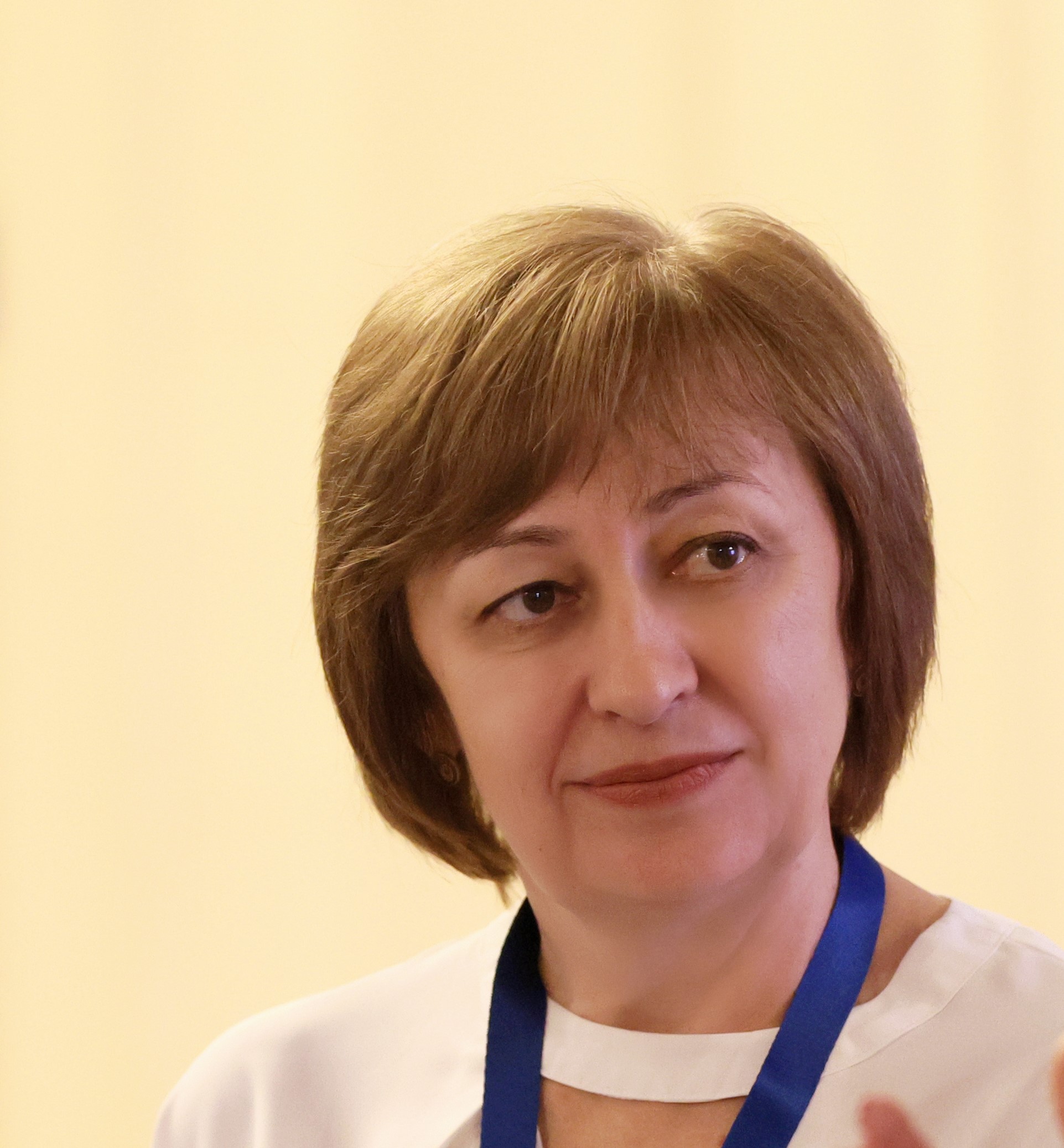
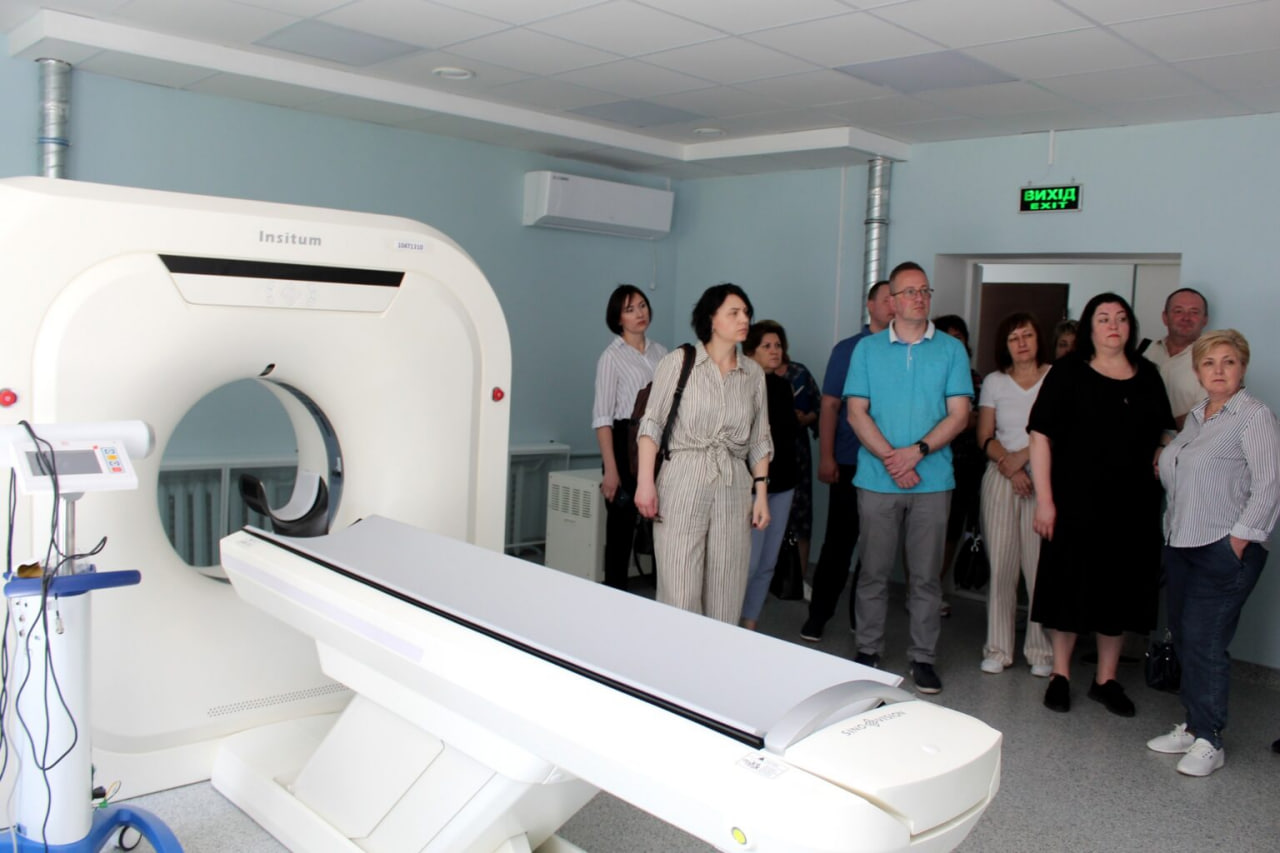 Healthcare today is not only about medicines and modern equipment, but above all, about high-quality service, effective management and responsibility to the patient. The Izyum community clearly realized this after participating in the program “Steps for Specialists. Healthcare Management in the Territorial Community”, which is implemented by “U-LEAD with Europe” . The head of the healthcare department of the executive committee of the Izyum City Council, Tetyana Slipushkina, notes: “It was the training and consultations with experts that helped us look at medical institutions as modern service enterprises that must compete for the trust of patients and provide high quality services.” The path to a competitive enterprise Thanks to the expert advice of experts, the community introduced criteria for assessing the effectiveness of the work of institutions and their managers. This allowed us to move from formal control to quality management. As Tetyana Slipushkina explains, previously there was significant competition mainly in the field of dentistry. Today, the situation has changed dramatically: private offices of a surgeon, therapist, dermatologist, and ophthalmologist operate in the community. In addition, mobile teams and charitable teams of doctors operate, and they also have to compete for people's trust. "Even if it seems that the community is small and patients will not go anywhere anyway, the reality is different. People choose service, speed, comfort, and attitude. This is what was emphasized during training – management. We were told directly: you will have to work in a competitive environment. And today we really feel it," shares the head of the department. Nowadays, institutions independently form performance indicators that affect staff bonuses, planning the development of departments, and the implementation of new services. This approach motivates specialists to work for results, improve their professional level, and care about the institution's reputation. Through the eyes of people: service and attention to detail An important tool that was successfully implemented after "Steps" was monitoring patient satisfaction. If previously certain things were perceived as "usual", now every feedback signal becomes an impetus for change. Tetyana Slipushkina says that many things used to seem familiar, but looking from the outside has changed everything. Now hospitals have “feedback and suggestion boxes” and online surveys are conducted. The head of the department notes that when patients noted discomfort due to the heat in the family medicine outpatient clinic, air conditioners were purchased. Given the growth of low-mobility groups of community residents, great attention is paid to accessibility. All institutions after the renovation are equipped with ramps, lifts, and elevators. Contrasting stair markings, visual elements for people with visual impairments, and Braille signs have appeared. Accessibility has ceased to be a formality — it has become the standard. Another important initiative is the creation of a single information center. Its goal is for a person to be able to call and get a clear answer about services, appointments, or patient routes, without unnecessary queues and “walking from office to office.” The system is already partially operational at the primary level, and in the future, the community plans to combine services into a single convenient service space.
Inspiration from experience and digital horizons The experience exchange trip to Vinnytsia region with the support of U-LEAD became a vivid experience for Izyum specialists, inspiring systemic changes. Tetyana Slipushkina recalls that at that time she noted the effectiveness of the model of work with IT specialists who help the administration and doctors implement digital solutions and attract grant resources. Tetyana Slipushkina is convinced: a doctor should spend maximum time on the patient, not on paper work. That is why the community has prioritized the creation of digital document templates, automation of reporting, and optimization of internal processes. This approach is becoming vital, given the extensive structure of the community's healthcare institutions. Today, two outpatient clinics operate in the city, and the rural network includes two more outpatient clinics and two FAPs. Since the community unites 15 villages, mobile teams were organized for the most remote settlements. It is difficult to manage such a system without modern motivation and digitalization tools. New energy: cooperation with youth A serious challenge for Izyum remains personnel policy, in particular, attracting young specialists and developing the rehabilitation direction. Tetyana Slipushkina emphasizes that the community has equipment that is unique for Ukraine, but it needs the hands of specialists who are "burning" with their work. That is why the health department has begun active cooperation with the Youth Council under the Ministry of Health to search for and attract young specialists. "We strive to attract new talents to the system. Today, one of our sore topics is the age composition of employees. If we do not work with young people now, in a few years the shortage of personnel will be even more acute. Our strategy is to combine the experience of senior colleagues with the energy of young personnel. We show graduates our updated departments, such as dentistry, where the head is only 28 years old. This is real proof that in Izyum, young people can not only work, but also lead changes,” the head of the department concludes. Strategy for the future: customer-oriented and sustainable development Thanks to the knowledge gained, consultations from U-LEAD experts, and openness to partnership, the Izyum community is forming a new model of medicine — customer-oriented, efficient, and competitive. How training Izyum specialists is changing the quality of medical services in the communityToday, they no longer just “provide services,” but systematically build a service, measure results, analyze people's needs, and make management decisions based on data. And most importantly, the community demonstrates a willingness not to stop, but to constantly improve the healthcare system in accordance with modern standards and patient expectations. Author: Maryna Gavrylenkova

Григоренко Костянтин
Головний редактор сайту ,видавець медіа "Обрії Ізюмщини",директор ТОВ "Обрії 1919" Основна спеціалізація -політика ,репортажі ,інтерв'ю . Досвід роботи -очолюю медіа з 2003 року. Освіта -Харківський державний педагогічний інститут, Харківський регіональний інститут державного управління Національної академії при Президентові України. Адреса: Ізюм…