About 65 people remain in Studenka and Yaremivka: how they live in villages without electricity and stable communication

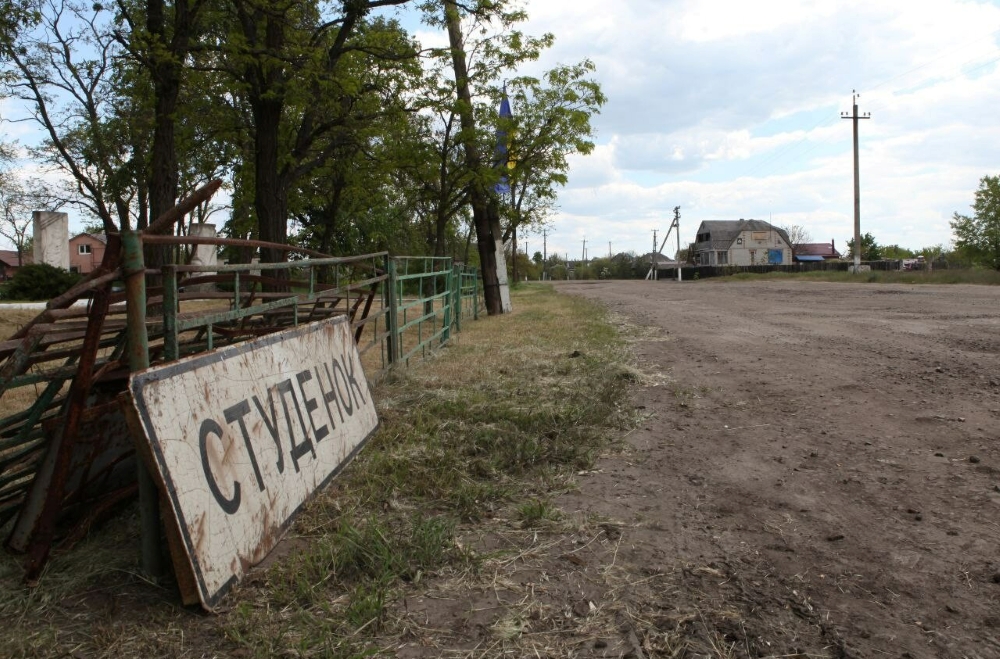
About 65 residents remain in Studenka and Yaremivka of the Oskil community. They are mostly older people who, despite the danger, destroyed infrastructure, lack of electricity and communication problems, are in no hurry to leave their homes. Doctors, postmen and community representatives continue to come to them with humanitarian aid. At the same time, it has become especially difficult to get to Studenka due to the damaged crossing over the Siversky Donets. This was told to the correspondent of the publication "Obriya Izyumshchyna" by the headman of the Studenka starostyn district of the Oskil community Serhiy Kokhan. From one and a half thousand residents to 65 Before the full-scale invasion, a total of about 1,450 people lived in Studenka and Yaremivka. These were settlements with developed infrastructure, a school, kindergarten, medical facility, shops and other institutions. More than 100 children studied at the school in Studenka alone. After the de-occupation in 2022, people began to return. For a while, about 600 residents settled in the two villages again: almost 500 in Studenko and about 100 in Yaremivka. Children appeared again in the settlements, normal life was being established, and people hoped that the most difficult trials were behind them. However, later the security situation deteriorated again. Currently, about 65 people remain in Studenko and Yaremivka. Most of them are over 60 years old. The mandatory evacuation of families with children was carried out earlier, so there were no minors left in the settlements. “When the enemy approached the villages, Russian sabotage and reconnaissance groups appeared even on the outskirts. People then did not always realize how great the danger they were in. Over time, the line of combat contact moved away from us, but this does not mean that it became safe. "Lancets", "Molniyas", KABs are flying, firing from multiple rocket launchers. The incoming planes continue to destroy houses. Fortunately, so far we have managed to do without dead and wounded among those who remained," says Serhiy Kokhan. According to him, currently approximately 10-20% of residential buildings remain suitable for habitation. It is difficult to determine the exact share of surviving housing, but there is a lot of destruction. Almost all local infrastructure has also been damaged. A school in the district was destroyed, some shops were damaged or destroyed. The territorial center, paramedic station, culture center and kindergarten require major repairs or restoration. The fire department, which was set up in Studenka after 2023, was also damaged. Transport and employees were evacuated from there. How to receive medicines, food and mail Despite the difficult situation, residents were not left without support. Medical workers are trying to visit settlements once every two weeks. Local doctors and nurses come to the district. They examine people, help with examinations, issue referrals if necessary, and bring medicines under the "Affordable Medicines" program. "Ukrposhta" also helps residents. Postmen come every Wednesday and Saturday. People order the necessary goods in advance, and employees deliver not only mail, but also groceries. "They bring bread, cereals, coffee, tea, condensed milk – everything that people can order. They already know how to organize it. The girls go constantly, they have never refused to come," says the interlocutor. At the same time, such work is associated with risk. The route runs along the Izyum – Sloviansk highway, which is flown by Russian drones. According to Serhiy, postmen drive in bulletproof vests, with a "sniff", aware of the danger, but continue to deliver the necessary things to people. The community also regularly organizes humanitarian support. The products are brought in, among others, by World Central Kitchen, ADRA, and the charity organization "Peaceful Sky." They try to deliver aid at least once a month.
Previously, such trips required arranging transportation or involving the police. Now the community has a pickup truck that is used to deliver humanitarian goods to settlements where the population remains. Studenok is effectively cut off by a ferry One of the most serious problems for the residents of Studenok is communication with the rest of the community. There used to be a ferry across the Siversky Donets, but it was repeatedly destroyed. The last time it was restored only for a short time: about two days later it was damaged again. The situation is complicated by the rising water level in the river and the danger of shelling. It is difficult not only to start restoration work, but also to safely continue and complete it, because the ferry is under enemy fire control. Therefore, Studenok is effectively cut off by the river from the usual communication with other settlements. You can reach Yaremivka from Studenok on foot – the distance is about three kilometers. To do this, people take the opportunity to walk along the structures near the bridge. However, this path is only suitable for physically strong people and cannot be a full-fledged alternative to transport. This situation becomes especially difficult for the elderly, people with disabilities and those who urgently need medical care. If necessary, you can still get to Yaremivka by armored transport. The situation with Studenko is more complicated precisely because of the crossing. If there is an urgent need to evacuate or rescue a person, you will have to look for additional opportunities, including involving the military. Evacuation is possible, but people are in no hurry to leave According to Serhiy Kokhan, recently the evacuation from Studenko and Yaremivka has actually stopped: the people who remained mostly do not want to leave. Most often, they decide to do this only in critical circumstances – for example, when a man dies and a woman is left alone, or when their health deteriorates and it becomes impossible to cope with everyday life on their own. At the same time, there is an opportunity to leave. If a person makes such a decision, they can call 203. The coordination center organizes evacuation, if necessary, involves the police, helps to collect personal belongings, and takes the person to a safer place. First, evacuees are brought to a transit point at 102 Myru Street in Izyum. Then, if necessary, they help with settlement, in particular in Kharkiv dormitories. Community representatives also visit compatriots who have left and bring them humanitarian aid. “There are no problems with evacuation if a person has decided to leave on their own. The most difficult thing is to dare to leave their home. People ask where they should go, how to live in a dormitory, what will happen to their property. Many have already left, and then returned and saw that the house was destroyed or looted. That is why people are holding on to their homes while it is still standing,” the interlocutor explains. The headman gives the example of an 86-year-old resident who left for Zlatopol, but later returned to her son, who remained in Studenka. The woman even hired a taxi to be home again. The economy also plays an important role. Many families have vegetable gardens, orchards, home supplies, and canning. Some keep bees and grow vegetables. For people with small pensions, the opportunity to grow potatoes and preserve their own products for the winter is a significant help. “If you buy everything only in the store, then it is very difficult for a pensioner with a pension of three thousand hryvnias to live. Therefore, people cannot do without humanitarian support and help from volunteers. But their own vegetable garden, orchard, apiary, and supplies are also what helps them survive,” says Serhiy. Will people have enough firewood for the winter ? The issue of wintering for those who stayed also remains important. According to the interlocutor, firewood and fuel briquettes were previously delivered to residents. Some people have their own supplies, so according to available information, they still have enough fuel for this winter.
Among those who are not going to leave Studenki, there are also middle-aged families. They are setting up temporary shelters, repairing damaged housing, trying to save what has survived. People are adapting to the circumstances: when the roof is damaged, they try to fix it, seal up broken windows, and move to more surviving neighboring houses. However, each new shelling can nullify these efforts. Serhiy Kokhan admits that after returning in 2022, he hoped for a peaceful life. Even the following year, 2023, he remembers as a time when shelling was much less frequent. Now, according to him, almost no day goes by without strikes on the settlements of the community and neighboring territories. “As long as the house is intact, as long as there is a place to live, people stay. Everything is their own at home: the garden, the garden, and supplies. People are used to it. But now there is not a day that something doesn’t fly somewhere. "If not to one village, then to another," he says. Despite everything, the community continues to support those who remain and those who have already left. For the residents of Studenka and Yaremivka, they are trying to maintain access to the most necessary things – medical care, food, postal services, and evacuation, if they still decide to leave the dangerous area.

Чмут Тетяна
Тетяна Чмут, основна спеціалізація -новини, інтерв'ю, культура. Досвід роботи: з липня 1994-го по лютий 2022-го працювала у районній газеті "Вісті Балаклійщини на різних посадах (кореспондентка, відповідальний секретар, заступник редактора). З липня 2025 - кореспонденткою районного медіа "Обрії Ізюмщини". Освіта: у…