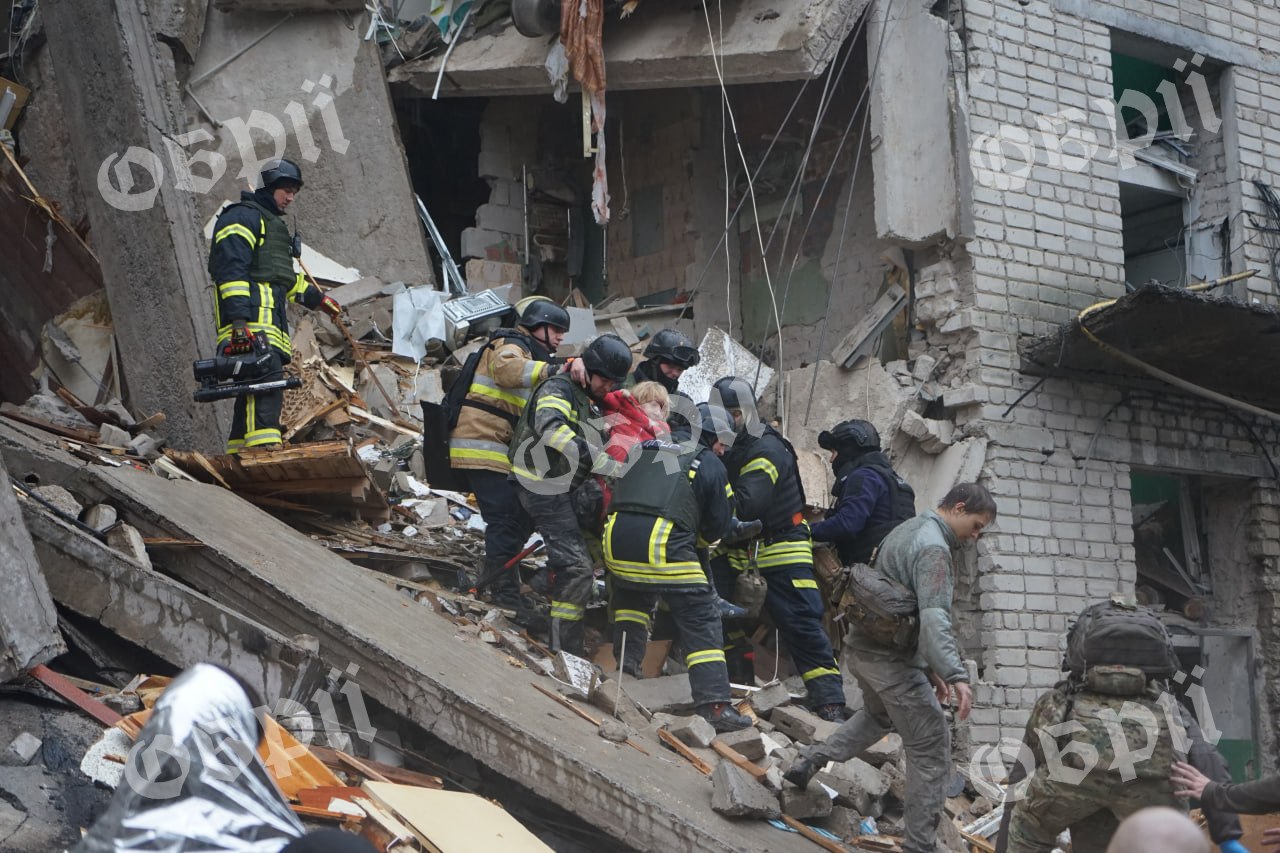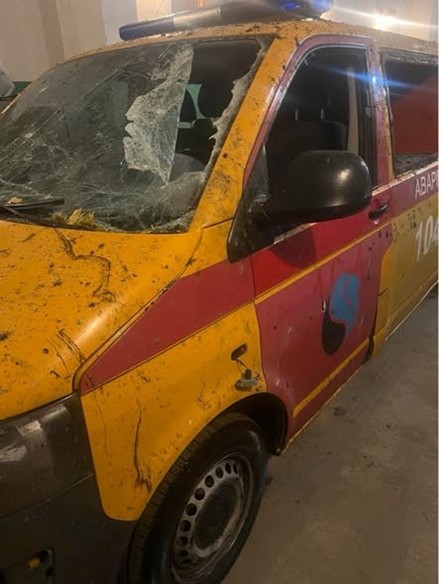
Mass graves were discovered in Izyum four years ago

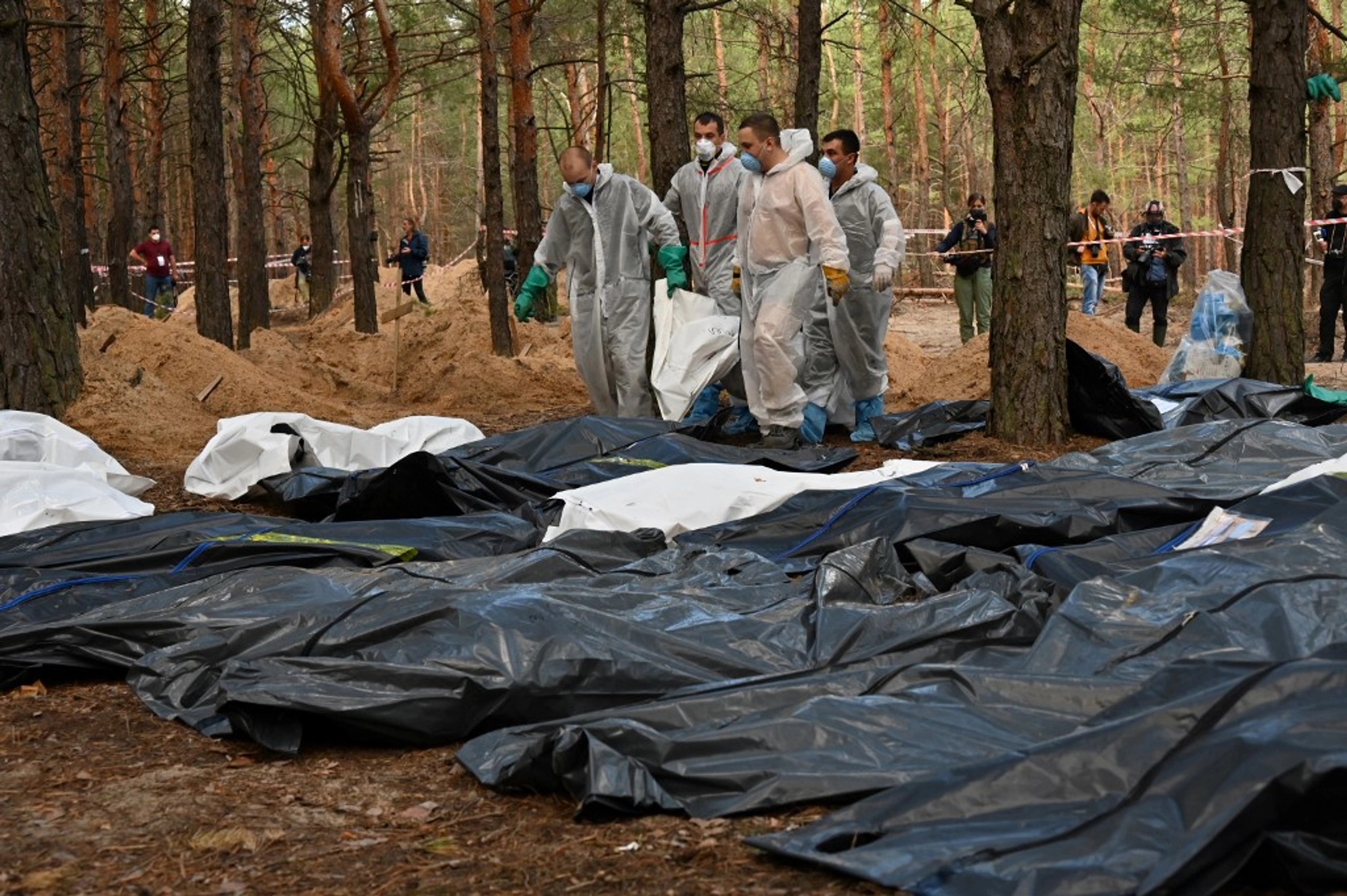
The stench from the bodies exhumed in the pine forest north of Izyum was faint, but it was everywhere. It was somewhat reminiscent of the smell of skunk, but not as pungent – a bit sweet and putrid. The forest where the Russian military buried Ukrainian civilians who died or were killed during the eight-month occupation of Izyum is relatively young – the tree trunks are straight, about the thickness of a human arm or leg. The soil is brown sand, which by Ukrainian standards is completely unsuitable for cultivation. The forest is crossed by paths used by vacationers, children and mushroom pickers. There is little undergrowth, and almost everywhere is quite easy to walk. The graves excavated in the Izyum forest (the remains of 449 bodies in total were removed) are not arranged in even rows, but are scattered almost randomly. It seems that the places for most of them were chosen where the distance between the trees was sufficient to dig a hole between them. Almost every grave is surrounded by chopped roots. Sometimes the corpses were laid on their backs, as in a real cemetery. Some bodies lay curled up in a ball, like a baby. The ground in the burial places is uneven and hilly – probably due to a lack of space or the power of the excavator to level the ground evenly. Therefore, it is not very convenient to walk there. A little further south of the forest is a residential area with individual private houses. By Eastern Ukrainian standards, they are quite wealthy – brick, with metal-plastic windows. The power lines are new, the streets are asphalted. There is even a bus stop there. The graves are about 150 meters from the nearest houses. Residents of the area who survived the occupation said that the Russians would enter the forest at night, sometimes lights could be seen through the trees, and the noise of cars and people in the forest could be heard around the clock. During the occupation – under Russian martial law – any soldier had the right to shoot any civilian without warning in the dark. Therefore, the residents of the village of Pisky did not leave their homes. The burials continued night after night, unnoticed by most non-Russian witnesses. While the occupation of Izyum was still ongoing, a scientific group called the Yale Humanitarian Research Laboratory (HRL) collected satellite images from different periods, which confirmed that from April 5 to July 1, 2022, pits were dug in the forest over an area of about 55,000 m². According to the researchers, at least two military excavators and more than 40 military vehicles were recorded, and the configuration of the pits strongly resembled mass graves. Later, Ukrainian police established that almost immediately after the occupation of Izyum, Russian troops began to suppress the resistance of the Ukrainian civilian population – they searched for, detained and interrogated people loyal to their government. The police of the occupation authorities were primarily “interested” in local Ukrainian military personnel, government officials, businessmen and specialists, since the Russians considered them to be the ones most likely to resist them. During the months of the occupation of Izyum, thousands of people were detained. Many of them were brutally tortured. Some probably died accidentally. Others were undoubtedly killed. During exhumations, the bodies were placed in white bags for further examination and establishment of the circumstances. A mobile laboratory for taking DNA samples even operated on site. According to the results of forensic examinations conducted over the next six months by Ukrainian and foreign forensic experts and investigators, the Russians committed mass murders of the residents of Izyum and committed other war crimes, but the scale of these crimes remained unclear. A total of 447 bodies were recovered from graves in the forest north of Izyum, of which about 215 were women, 194 were men, and 5 were children. 22 of the bodies were Ukrainian servicemen. All the rest were civilians.
Most of them showed signs of torture and violent death. About 30 had ropes around their necks and arms, broken limbs or gunshot wounds. An unspecified number of men had their genitals removed. However, others showed signs of death from shelling or airstrikes, which Russia also blamed as it was the initiator of the invasion, but this evidence is less clear on war crimes, mass killings or atrocities in occupied territory. Among the identified victims of torture was Oleg Saliha, a businessman from Izyum, whose family said he was abducted from the street by Russian police and that was the last time they saw him. His remains showed signs of torture with sharp and blunt objects, as well as a bullet hole. During the exhumations, even with journalists present, the forest north of Izyum was almost completely silent. The sound of a shovel digging into the ground could be heard dozens of meters away. The loudest sound was the noise of the DNA laboratory generator. The rustling of men’s footsteps could be heard as they carried another body out of the forest, and in the background, the clicking of cameras. Four years ago, paratroopers and infantrymen from the 25th and 80th Airborne Assault Brigades entered Izyum and were the first to hear from its residents about torture and murder. Since then, Ukrainian prosecutors have identified 11 Russian servicemen and two Ukrainian collaborators as accomplices in the arrests and murders in Izyum. The case went to court in June of this year. They were tried in absentia. In another case, three Russian servicemen were tried on charges of torturing and murdering two civilian residents of Izyum. In July 2026, the court sentenced him to 15 years in prison, but the prosecutor appealed, demanding life imprisonment. Two high-ranking officers of the occupation authorities — Colonels Akhmed Duduev and Sergey Safonov — are on Ukrainian and international wanted lists. In March 2025, the US government stopped funding the Yale Humanities Research Laboratory (HRL) because, as the White House explained, the Yale University leadership was too left-wing and not patriotic enough to deserve taxpayer support. The HRL leadership transferred the collected data on Izyum to other institutions and continues its work on Ukraine, but on a smaller scale. https://www.kyivpost.com Stefan Korshak

Григоренко Костянтин
Головний редактор сайту ,видавець медіа "Обрії Ізюмщини",директор ТОВ "Обрії 1919" Основна спеціалізація -політика ,репортажі ,інтерв'ю . Досвід роботи -очолюю медіа з 2003 року. Освіта -Харківський державний педагогічний інститут, Харківський регіональний інститут державного управління Національної академії при Президентові України. Адреса: Ізюм…